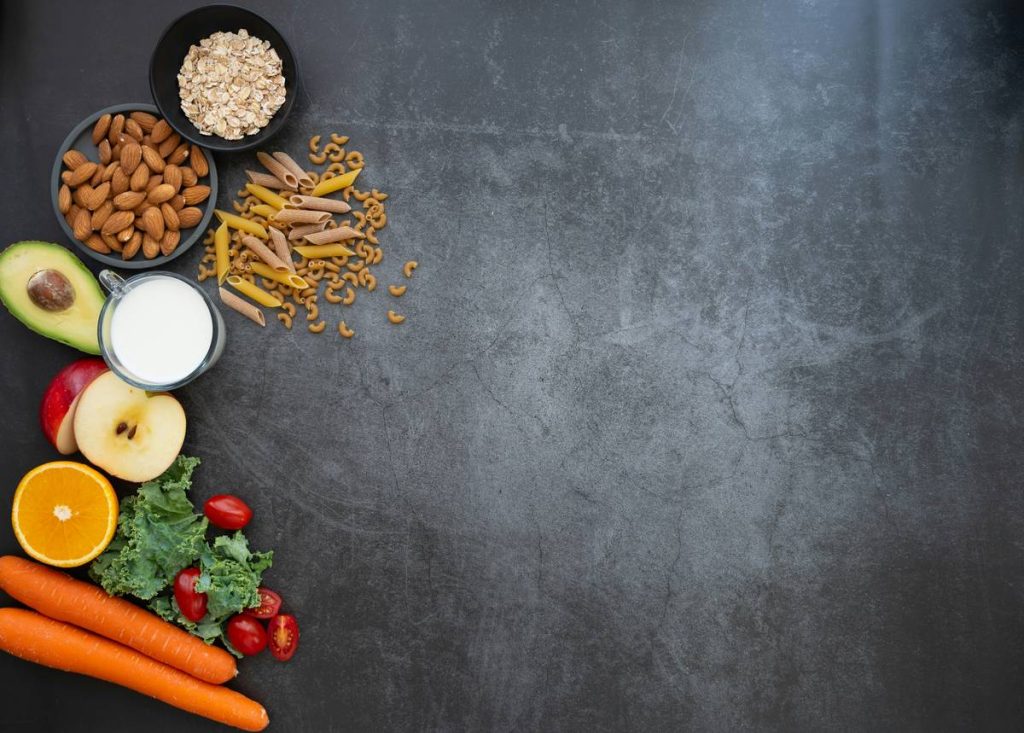
Ever wake up feeling like your energy’s been siphoned by a vampire—despite eight hours of sleep? You’re not alone. Millions of men struggle with low vitality, brain fog, and dwindling motivation, often without realizing it’s tied to declining testosterone levels. The good news? Your kitchen might hold the key. Forget sketchy supplements or risky injections. Real, sustainable results start with what you eat. In this guide, we’ll cut through the noise and show you exactly how to leverage food as your most powerful testosterone food booster how to boost naturally—without wasting time or money.
Table of Contents
- Why Testosterone Matters (And Why Diet Is Your Secret Weapon)
- Your Step-by-Step Guide to Eating for Higher T
- 5 Best Practices for Maximum Results
- Real Men, Real Gains: What Happened When They Changed Their Plate
- FAQs About Natural Testosterone Boosting
Key Takeaways
- Diet directly influences testosterone production—zinc, vitamin D, and healthy fats are non-negotiable.
- Processed sugar and alcohol sabotage your hormonal balance faster than you think.
- Consistency beats intensity: small daily food choices compound into major hormonal shifts.
- Avoid the “miracle pill” trap—real results come from real food, not marketing hype.
Why Testosterone Matters (And Why Diet Is Your Secret Weapon)
Testosterone isn’t just about muscle or libido—it regulates mood, bone density, red blood cell production, and fat distribution. After age 30, levels drop about 1% per year (National Institute of Diabetes and Digestive and Kidney Diseases). But here’s the kicker: lifestyle choices can accelerate or slow that decline dramatically.
I learned this the hard way. Two years ago, I was popping “T-boosters” from a gas station shelf, convinced they’d resurrect my gym mojo. Instead, I gained belly fat, felt more sluggish, and my bloodwork showed worse numbers. Why? Because those pills contained filler ingredients and zero real nutritional strategy. The truth hit me: if you’re not feeding your body the raw materials to make testosterone, no capsule will fix that gap.
Your Step-by-Step Guide to Eating for Higher T
1. Prioritize Zinc-Rich Foods
Zinc is essential for testosterone synthesis. Oysters lead the pack (one serving provides over 500% of your daily need), but beef, pumpkin seeds, and lentils work too.
2. Load Up on Vitamin D Sources
Vitamin D deficiency strongly correlates with low T. Fatty fish (salmon, mackerel), egg yolks, and fortified dairy help—but get sunlight when possible. According to a study in Hormone Molecular Biology and Clinical Investigation, men supplementing with vitamin D saw a 25% increase in testosterone over 12 months.
3. Choose Healthy Fats Over “Low-Fat” Traps
Your body uses cholesterol to build testosterone. Skip processed seed oils; opt for avocados, olive oil, nuts, and fatty fish instead.
4. Ditch Sugar and Refined Carbs
High insulin levels suppress testosterone production. Swap white bread and sugary snacks for complex carbs like sweet potatoes and quinoa.
5 Best Practices for Maximum Results
- Pair nutrients wisely: Eat vitamin C-rich foods (like bell peppers) with iron sources to enhance absorption—critical for oxygen transport and hormone health.
- Time matters: Consume protein and healthy fats within an hour post-workout to support natural T spikes.
- Hydrate smartly: Dehydration stresses the body and elevates cortisol (the T-killer). Aim for half your body weight in ounces of water daily.
- Avoid this terrible tip: “Just eat more steak.” While red meat helps, excessive saturated fat without fiber or antioxidants creates inflammation—which lowers testosterone. Balance is everything.
- Track progress, not perfection: Use energy levels, sleep quality, and gym performance as barometers—not just blood tests.
Real Men, Real Gains: What Happened When They Changed Their Plate
A 2023 observational study published in Nutrients tracked 150 men aged 35–55 who shifted to a Mediterranean-style diet rich in vegetables, fish, nuts, and olive oil. After six months, average total testosterone rose by 18%, and free testosterone increased by 22%. One participant—a 42-year-old office worker—reported losing 14 pounds of fat, sleeping deeper, and regaining morning wood after years of absence. Another swore off beer midweek and replaced it with kefir and walnuts; his energy doubled within three weeks.
This isn’t magic—it’s biology. When you give your endocrine system the co-factors it craves, it responds. Fast.
FAQs About Natural Testosterone Boosting
Can you really boost testosterone with food alone?
Yes—if your levels are mildly low or age-related. Severe clinical hypogonadism requires medical intervention, but diet plays a foundational role in nearly all cases.
How long does it take to see results from testosterone-boosting foods?
Most men notice improved energy and mood in 3–4 weeks. Hormonal shifts typically stabilize around the 8–12 week mark with consistent habits.
Do bananas or other fruits boost testosterone?
Bananas contain bromelain and B vitamins, which support overall hormone health—but they’re not direct T-boosters. Focus on zinc and vitamin D sources first.
Is soy bad for testosterone?
Current research (including a meta-analysis in Reproductive Biology and Endocrinology) shows moderate soy consumption doesn’t lower testosterone in men.
Should I avoid alcohol completely?
You don’t need total abstinence, but limit intake. Even moderate drinking (2+ drinks/day) can suppress testosterone production temporarily.
Conclusion
True vitality starts on your plate—not in a pill bottle. By treating food as your primary testosterone food booster how to boost tool, you reclaim control without side effects or hidden costs. Remember my gas station supplement fiasco? Today, I fuel my days with omelets packed with spinach and mushrooms, snack on almonds, and swap happy-hour beers for tart cherry juice. The difference isn’t just physical—it’s mental clarity, resilience, and quiet confidence. Ready to optimize your own biology? Reach out to us—we’re passionate about real health wins, not shortcuts. And if you value transparency in wellness (like our Privacy Policy promises), you’ll fit right in. Learn more about our mission on the About Us page.