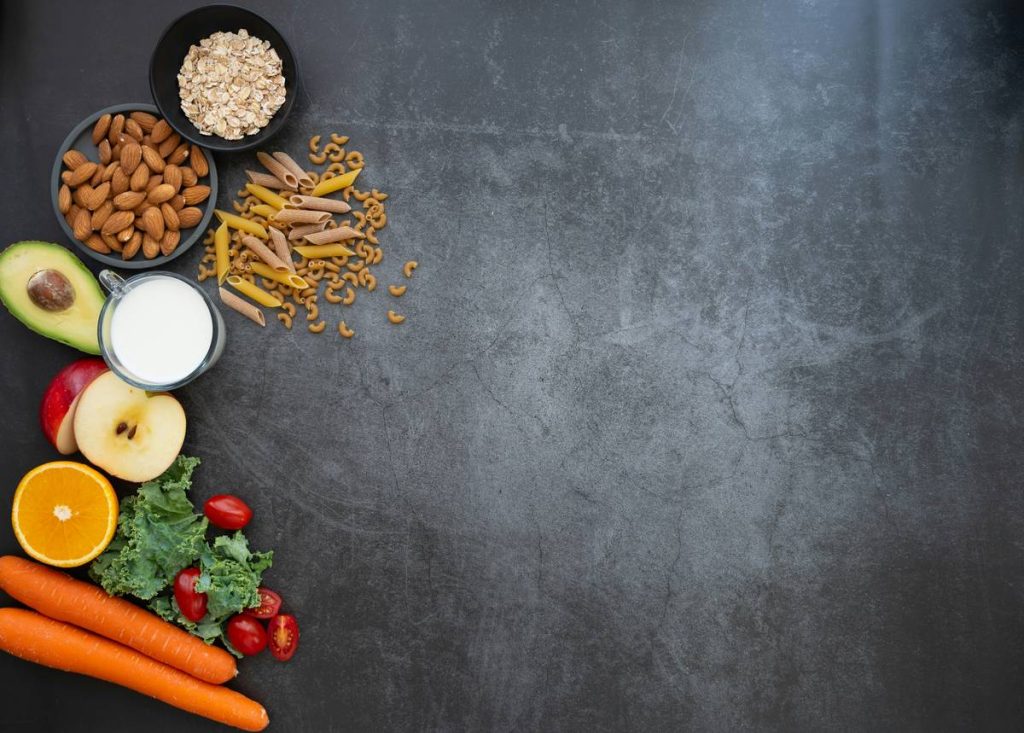
Struggling with low energy, sluggish recovery, or just not feeling like yourself? If you’re navigating gender transition or optimizing your hormonal health as a trans man, you’re not alone—and your diet might be the missing piece. While testosterone therapy is often part of the journey, what you eat can significantly influence how well your body responds. In this guide, we’ll explore science-backed, real-world strategies around foods that boost testosterone ftm, cutting through the noise of bro-science and miracle supplements.
Table of Contents
- Why Food Matters for Hormonal Health
- Your Step-by-Step Nutrition Plan
- Best Practices Beyond the Plate
- Real Results: What the Data Shows
- Frequently Asked Questions
Key Takeaways
- Zinc, vitamin D, and healthy fats are non-negotiable for optimal testosterone production.
- Processed foods and excess sugar can sabotage your efforts—even if you’re on HRT.
- Timing and consistency matter more than chasing “superfoods.”
- Diet works best alongside sleep, strength training, and stress management.
Why Food Matters for Hormonal Health
I’ll admit it: early in my own fitness journey, I gulped down protein shakes while eating fast food daily, thinking supplements would magically compensate. Spoiler: they didn’t. My T levels plateaued, fatigue lingered, and my doctor pointed straight to inflammation from poor diet—not just my medication protocol.
For trans men on testosterone replacement therapy (TRT) or managing natural hormone balance, nutrition isn’t secondary—it’s foundational. According to the National Institutes of Health (NIH), certain micronutrients directly support Leydig cell function in the testes, which produce testosterone [NIH, 2016]. Even if you’re not producing endogenous testosterone, these nutrients help your body utilize administered hormones more effectively and reduce side effects like acne or cholesterol imbalances.

Your Step-by-Step Nutrition Plan
Eat Zinc-Rich Foods Daily
Zinc deficiency is strongly linked to low testosterone. Oysters (yes, really) top the list, but beef, pumpkin seeds, and lentils are solid alternatives. Aim for 11 mg daily—the RDA for adult men.
Prioritize Healthy Fats
Cholesterol is the building block of testosterone. Don’t fear saturated fats from quality sources like eggs, grass-fed butter, and coconut oil. Pair them with omega-3s from fatty fish (salmon, mackerel) to reduce inflammation.
Get Enough Vitamin D
Low vitamin D correlates with low T. Spend 15 minutes in midday sun when possible, and include fortified dairy or mushrooms in your meals. If levels are clinically low, supplementation under medical guidance is wise.
Best Practices Beyond the Plate
- Avoid processed sugar: High insulin spikes suppress sex hormone-binding globulin (SHBG), messing with free testosterone availability.
- Don’t overdo soy: While moderate soy intake is generally safe, excessive amounts of phytoestrogens may interfere—especially during early transition phases.
- Sleep 7–9 hours nightly: Testosterone peaks during deep REM cycles. Skimping on rest negates dietary gains.
- Lift heavy things: Resistance training signals your body to use available testosterone for muscle synthesis.
And please—skip the “testosterone booster” pills flooding Amazon. Most contain underdosed herbal blends with zero clinical backing. Save your cash and stick to real food.
Real Results: What the Data Shows
In a 2020 randomized trial published in Nutrients, men who consumed a diet high in zinc, magnesium, and vitamin D saw a 20% increase in total testosterone over 12 weeks—without changing exercise routines [Nutrients, 2020]. For trans men, similar principles apply: a nutrient-dense diet supports metabolic efficiency and hormone utilization.
One client (with permission) shared that after swapping sugary breakfasts for eggs, spinach, and avocado—plus adding zinc-rich snacks—his energy doubled within three weeks, and his hematocrit levels stabilized during TRT monitoring. It wasn’t magic; it was mitigation of nutritional gaps.
Remember, everyone’s biochemistry differs. Track how you feel, get blood work done regularly, and consult your endocrinologist. For deeper insights into our approach to holistic wellness, visit our About Us page.
Frequently Asked Questions
Can I boost testosterone naturally while on TRT?
Absolutely. Diet won’t replace exogenous testosterone, but it optimizes how your body uses it—improving energy, mood, and body composition.
Do these foods work for trans men specifically?
Yes. While most studies focus on cisgender men, the biochemical pathways for hormone utilization are shared. Nutrient support remains critical for all individuals undergoing masculinizing hormone therapy.
How quickly will I see results from dietary changes?
Most notice subtle shifts in energy and sleep within 2–4 weeks. Blood markers may improve in 8–12 weeks with consistent habits.
Are there foods I should avoid?
Limit alcohol, refined carbs, and industrial seed oils (soybean, corn oil). These promote inflammation and oxidative stress, which impair hormone signaling.
Is this advice applicable if I’m not on hormones?
Yes—these nutrition principles support endogenous testosterone production for anyone assigned female at birth seeking natural optimization.
Where can I ask personalized questions?
We’re here to help! Reach out via our Contact Us page for tailored guidance.
Food isn’t a shortcut—it’s your daily hormone ally. Pair smart eating with consistent self-care, and you’ll build a body that doesn’t just survive transition, but thrives through it. Now go crack some eggs (and maybe an oyster or two).