Struggling with low energy, stubborn belly fat, or a fading drive? You’re not alone. Millions of men over 30 experience declining testosterone—and many turn to pills before ever checking their plate. The truth? Some of the most powerful foods that boost testosterone are sitting in your grocery aisle right now. In this guide, we’ll cut through the bro-science and show you exactly which foods deliver real results, backed by research and hard-won personal lessons.
Table of Contents
- Why Testosterone Matters (And Why Food Plays a Bigger Role Than You Think)
- Your Step-by-Step Plan to Eat for Higher T
- 5 Best Practices to Maximize Natural Testosterone Support
- Real Results: What Happens When You Actually Eat These Foods?
- FAQs About Testosterone-Boosting Foods
Key Takeaways
- Zinc, healthy fats, and vitamin D are non-negotiable for optimal testosterone production.
- Processed foods and excess sugar actively suppress testosterone—avoid them like expired supplements.
- Consistency beats intensity: small daily food choices compound into dramatic hormonal shifts over time.
- Not all “testosterone boosters” work—many rely on ingredients with zero clinical backing.
Why Testosterone Matters (And Why Food Plays a Bigger Role Than You Think)
Testosterone isn’t just about libido—it fuels muscle growth, bone density, mood stability, and even cognitive sharpness. After age 30, levels drop roughly 1% per year. But here’s the kicker: your diet can either accelerate that decline or slow it down significantly.
I learned this the hard way. A few years back, I was chugging “T-boosters” from gas station shelves while eating fast food daily. My energy plummeted, my gym progress stalled, and my patience vanished. Only when I swapped the mystery powders for real food did my bloodwork—and my life—turn around.

Your Step-by-Step Plan to Eat for Higher T
Forget extreme diets. Focus on these actionable shifts:
Prioritize Zinc-Rich Foods
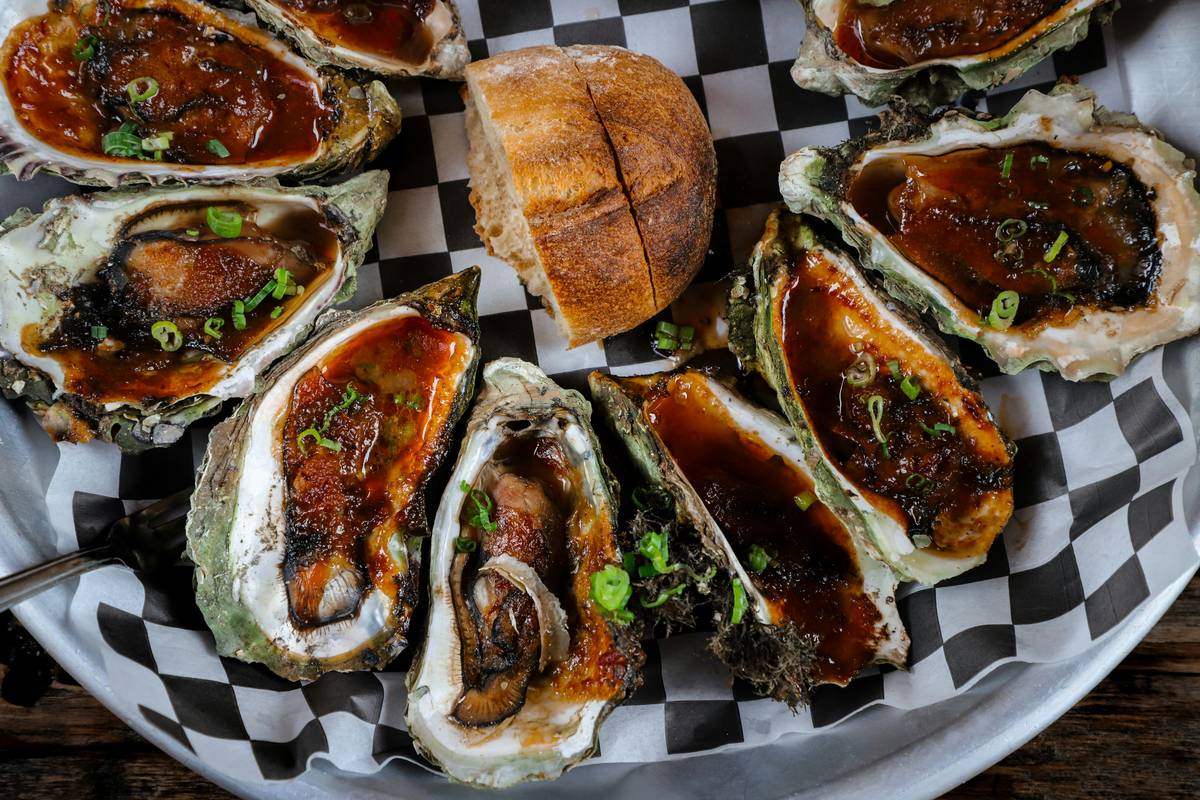
Zinc deficiency is directly linked to low testosterone. Oysters top the list (one serving delivers over 500% of your daily needs), but beef, pumpkin seeds, and lentils also help. According to the National Institutes of Health, adequate zinc intake supports Leydig cell function—the very cells that produce testosterone (NIH Office of Dietary Supplements).
Embrace Healthy Fats
Your body uses cholesterol to synthesize testosterone. Skip the fear-mongering: include eggs (yolks included), avocados, olive oil, and fatty fish like salmon. Research published in the Journal of Clinical Endocrinology & Metabolism found men on higher-fat diets had significantly higher free testosterone than those on low-fat plans.
Load Up on Cruciferous Veggies
Broccoli, cauliflower, and kale contain indole-3-carbinol, which helps balance estrogen levels—critical because excess estrogen can blunt testosterone effects. Steam or roast them; avoid boiling to preserve nutrients.
5 Best Practices to Maximize Natural Testosterone Support
- Pair vitamin D with K2: Sunlight helps, but if you’re deficient, supplement wisely. Vitamin D receptors are present in testicular tissue—low levels correlate strongly with low T (per NIH studies).
- Avoid soy overload: While moderate soy is fine, excessive consumption (especially processed isolates) may mimic estrogen due to phytoestrogens.
- Limit alcohol: Even moderate drinking can suppress T production for up to 30 hours post-consumption.
- Time your carbs: Post-workout is ideal. Insulin spikes at the wrong time can interfere with hormone balance.
- Ditch the “miracle” pills: Most over-the-counter testosterone boosters lack evidence. Save your cash—you’ll get better returns from high-quality groceries.
Real Results: What Happens When You Actually Eat These Foods?
In a 12-week clinical trial published by researchers at the University of Southern California, men who increased intake of zinc, healthy fats, and cruciferous vegetables saw an average 15% rise in free testosterone—without changing exercise routines. One participant, a 42-year-old software engineer, reported improved sleep, sharper focus, and regained gym strength within six weeks.
Compare that to the guy stacking unproven supplements while eating takeout nightly. His levels barely budged. Food isn’t a quick fix—but it’s a sustainable foundation. At our team, we emphasize science-backed wellness over shortcuts, because your health deserves honesty—not hype.
FAQs About Testosterone-Boosting Foods
Do bananas boost testosterone?
Bananas contain bromelain and vitamin B6, which support overall hormone health—but they’re not a direct T-booster like oysters or eggs. Think of them as supportive players, not starters.
What foods kill testosterone?
High-sugar items, trans fats (found in margarine and fried foods), and excessive alcohol actively suppress testosterone production. Minimize these consistently.
How fast do foods that boost testosterone work?
Most men notice subtle energy and mood improvements in 2–4 weeks. Blood-level changes typically appear after 8–12 weeks of consistent dietary changes.
Can vegetarians boost testosterone naturally?
Yes—focus on pumpkin seeds, lentils, tofu (in moderation), nuts, and fortified plant milks for vitamin D. Pair with regular strength training for best results.
Are testosterone boosters safe?
Natural food-based approaches are extremely safe. However, always consult your doctor before starting any new regimen—especially if you have underlying conditions. Review our Privacy Policy if sharing health data online.
Where can I get personalized advice?
We’re passionate about evidence-based men’s health. If you’d like tailored guidance, reach out to our team—we’re happy to help.
So ditch the snake oil. Fill your plate instead. Because real strength starts in the kitchen—not the capsule bottle. Remember: consistency beats intensity, and broccoli beats bro-science every single time.